Horticultural Crops
HIGH-TECH AGRICULTURE
The future of extensive agriculture
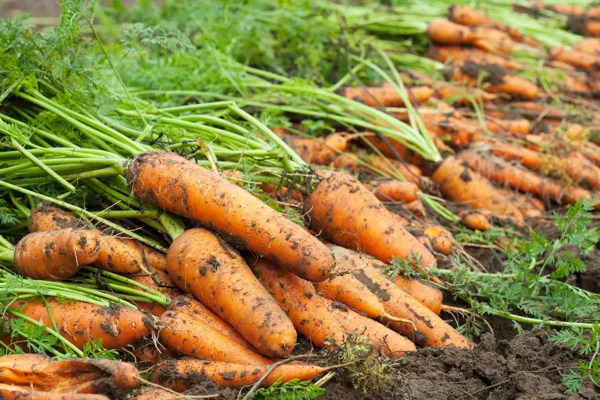
Horticultural crops, mostly with a short cycle and belonging to diverse taxonomic families, are commonly cultivated in small areas and are destined for fresh consumption of different plant organs (root, stem, leaf, inflorescence, or fruit), which are rich in vitamins, minerals, and fiber. Representative examples include tomato, paprika, lettuce, carrot, and broccoli.
These crops require variable soils and climates; some, like artichoke or cauliflower, adapt better to cold, while others, like tomato, thrive in warm climates. The production and quality of vegetables depend on the availability of macro and micronutrients in the soil, considering both their initial content and possible losses through leaching, immobilization, or volatilization.
Nutrient deficiencies are reflected in visible symptoms: lack of nitrogen causes reduced growth and yellowish leaves; phosphorus causes purple leaves and limited growth in seedlings; potassium is manifested by necrosis on the edges and leaf curling; calcium deficit also produces necrosis in young leaves; and lack of magnesium generates yellowing between veins in old leaves.
For efficient fertilization, it is recommended to ensure a uniform distribution of fertilizers and irrigation water, incorporate organic fertilizers into the soil right after applying them, and fractionate applications more in light or shallow soils, especially with furrow or flood irrigation. In winter crops, it is useful to apply phosphorus moderately, even if the soil already contains high levels of this nutrient.